

We follow the lives of half a million volunteers to learn who falls ill and why, so scientists around the world can create better ways to diagnose, prevent and treat diseases for everyone, everywhere.
Researchers worldwide use our data, tools and support to make discoveries which otherwise wouldn’t be possible.
Our impact
Find out how healthcare is being changed by discoveries made with our participants’ data.
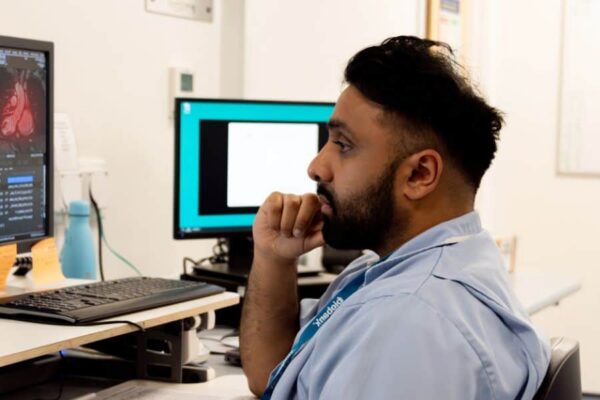
Algorithm that has learned to assess heart scans from human specialists to be tested in US hospital
DNA from related UK Biobank participants has revealed genes that affect us differently depending on which parent we inherit them from.
News
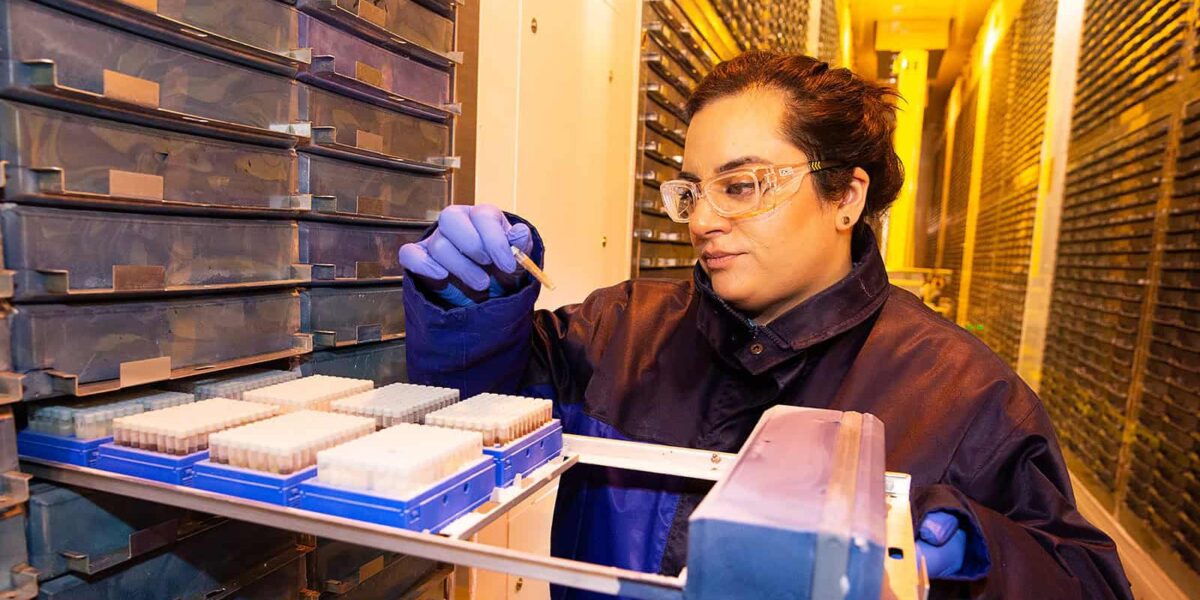

Read the recommendations and actions from the Oversight Committee report into data security at UK Biobank, and download the report.
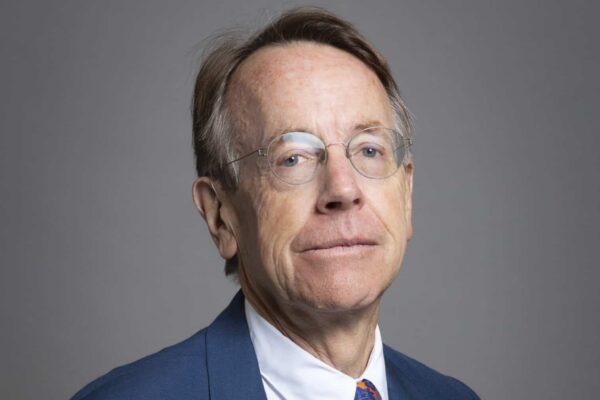
Read a message from our CEO, Professor Sir Rory Collins, sent to participants on 3 June 2026.
About our data
-

Who can use it?
Researchers must go through our approval process to access the data.
-

How can I access it?
We make the data available to researchers around the world via our restricted cloud-based platform.
-

Who are our participants?
Our 500,000 participants were recruited between 2006 and 2010, when they were 40 to 69 years old.



UK Biobank data is so vast, and so detailed. It has changed the way we do research in human genetics. We are beginning not only to understand the complex genetic basis of a whole variety of devastating human diseases, but also how to better use this genetic information to understand how to predict and treat these diseases.
Professor Nicole Soranzo, Senior Group Leader at the Wellcome Sanger Institute